With utility bills spiking around the country, many people are investing in energy-efficient appliances like heat pumps and whole-home generators for added resiliency. Some homeowners are even adding enough solar panels to zero out their electric bills altogether.
These upgrades are all great solutions — but if you're one of the 34% of Americans who rent, they might not be in the cards.
The good news is that there are more ways than you might expect to upgrade your home and save money on energy as a renter. Many are surprisingly simple to install, so you can keep that toolbox in the back of your closet. And more often than not, you can take these solutions with you if you move to another place.
Here are EasyHome's recommendations for the best renter-friendly energy upgrades you can make to save money and stay comfortable — for home heating, home cooling, backup power, and even solar power thanks to some emerging new tech.
Solar upgrades
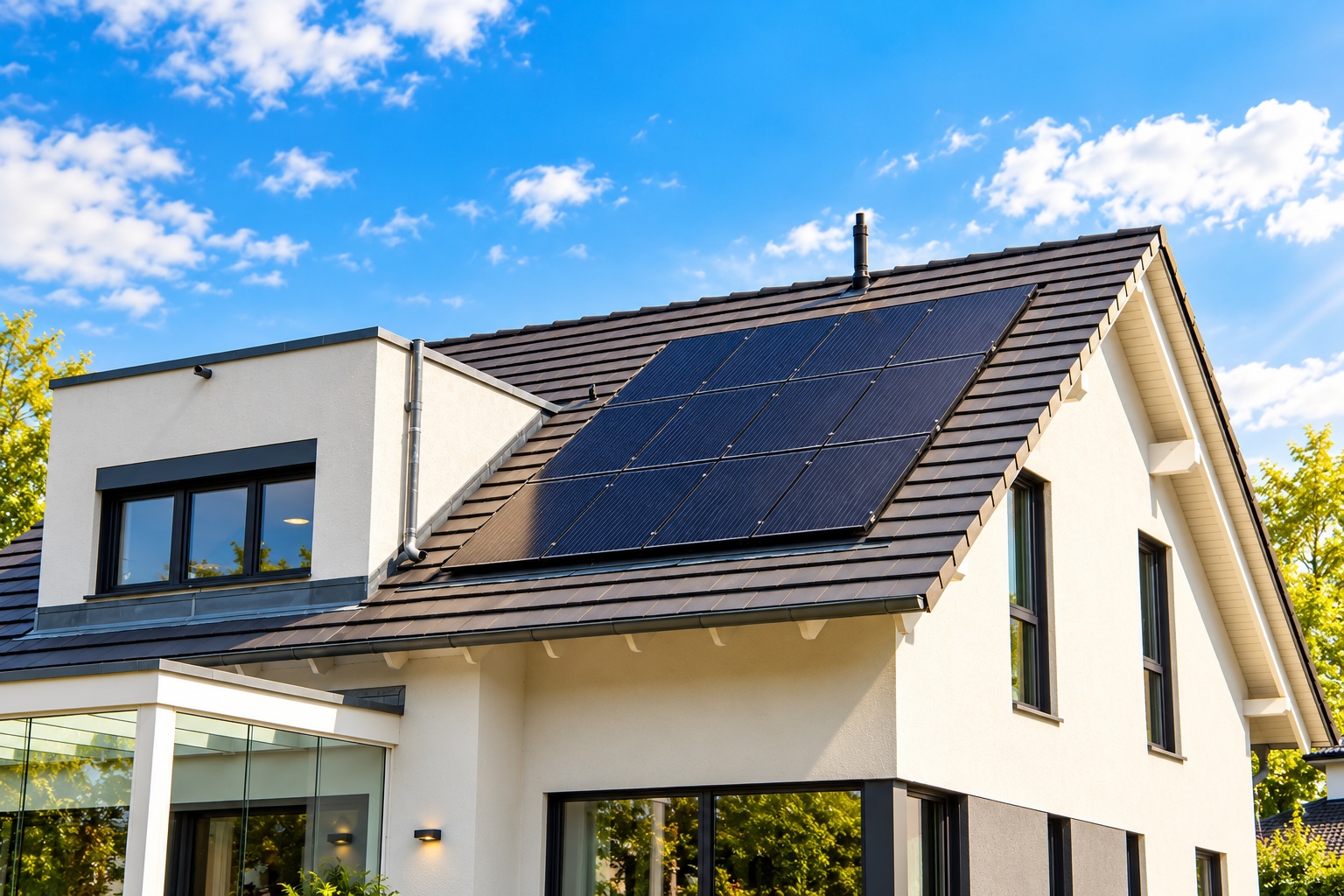
A zero-dollar electricity bill is the dream, and it's certainly possible with solar panels on your roof and batteries in your garage. But for renters, it doesn't make sense to pay for panels you can't take with you. Most rental situations would prevent permanent installations anyway. Thankfully, renters have other solar solutions they can take advantage of.
The newest and most exciting tech for renters is balcony solar, which is already widely popular in Europe and is quickly gaining traction in the U.S. Balcony systems allow residents to buy plug-in panels that feed power into their home without a full roof setup.
The tech is almost dreamlike in its simplicity: They can be placed right on your porch or balcony, and a microinverter lets you plug them directly into any conventional wall outlet. Some companies even offer balcony solar panels as a subscription to further lower the upfront cost. And despite the "balcony" name, they can be placed just about anywhere, such as fences, though balconies and decks are typically the simplest.
Another easy way to cash in on solar savings without rooftop panels is to sign up for a community solar program. Many utilities across the country offer community solar options (which can even provide guaranteed monthly savings), and it's usually as simple as checking a few boxes in your existing account.
A portable solar generator is another tried-and-true way to harness the sun's power, providing reliable backup energy during extreme weather events. It can even be a convenient way to keep devices charged while camping with friends and family, even if these models wouldn't backfeed power into your wall like balcony solar can.
Home heating upgrades
Keeping your house warm in the winter can be an expensive ordeal, and recent predictions suggest Americans will spend nearly 9% more on heating this year than in 2025. But renter-friendly solutions can cut heating costs in the winter while keeping everyone in your home comfortable.
One of the fastest ways to reduce heating use is to block drafts, so if you haven't weatherized your unit's doors and windows, now is the time. This will help keep warm air inside your home so that you don't have to run your heater as much to replace it.
Modern space heaters are also great, efficient ways to keep individual rooms toasty since they target heat where it is needed the most, even if they can't operate as efficiently as a heat pump overall. And, these days, many models come with remote access so you can lower the temperature when you're away. These energy-saving heaters are also portable, so you can take them with you if you move to a new home. You can also easily move them from room to room as needed.
On the horizon is a new suite of products called window‑mounted heat pumps, which can heat and cool individual rooms just like a window AC unit would, only with way better efficiency. They also don't require an electrician to install.
And for a little festive fun, an outdoor smokeless fire pit is a great way to enjoy the winter weather without freezing your tail off. These modern fire pits burn more efficiently, release fewer fumes, and are easier to start and put out than a traditional campfire. You can also bring them to a neighbor's house or on your next outdoor adventure.
Home cooling upgrades
Summertime heat can seriously drive up utility bills. According to the U.S. Energy Information Administration, air conditioning accounts for about 12% of U.S. home energy costs. So if you're footing your own utility bills (which is often the case for rental properties), you'll want to look for ways to minimize the damage.
Good news on that front: Small adjustments can make a big difference. For example, weatherizing your doors, windows, and other areas where cooled air can leak out is a relatively simple fix that can cut hundreds of dollars a year in energy costs. And simply adding reflective foil insulation to garage doors can dramatically reduce indoor temps.
If your home relies on AC window units, new technology like smart controllers and thermostats can automate airflow and reduce those cooling bills. You can also take these products with you to your next place, if you want to move. And don't forget about the window-mounted heat pumps from above.
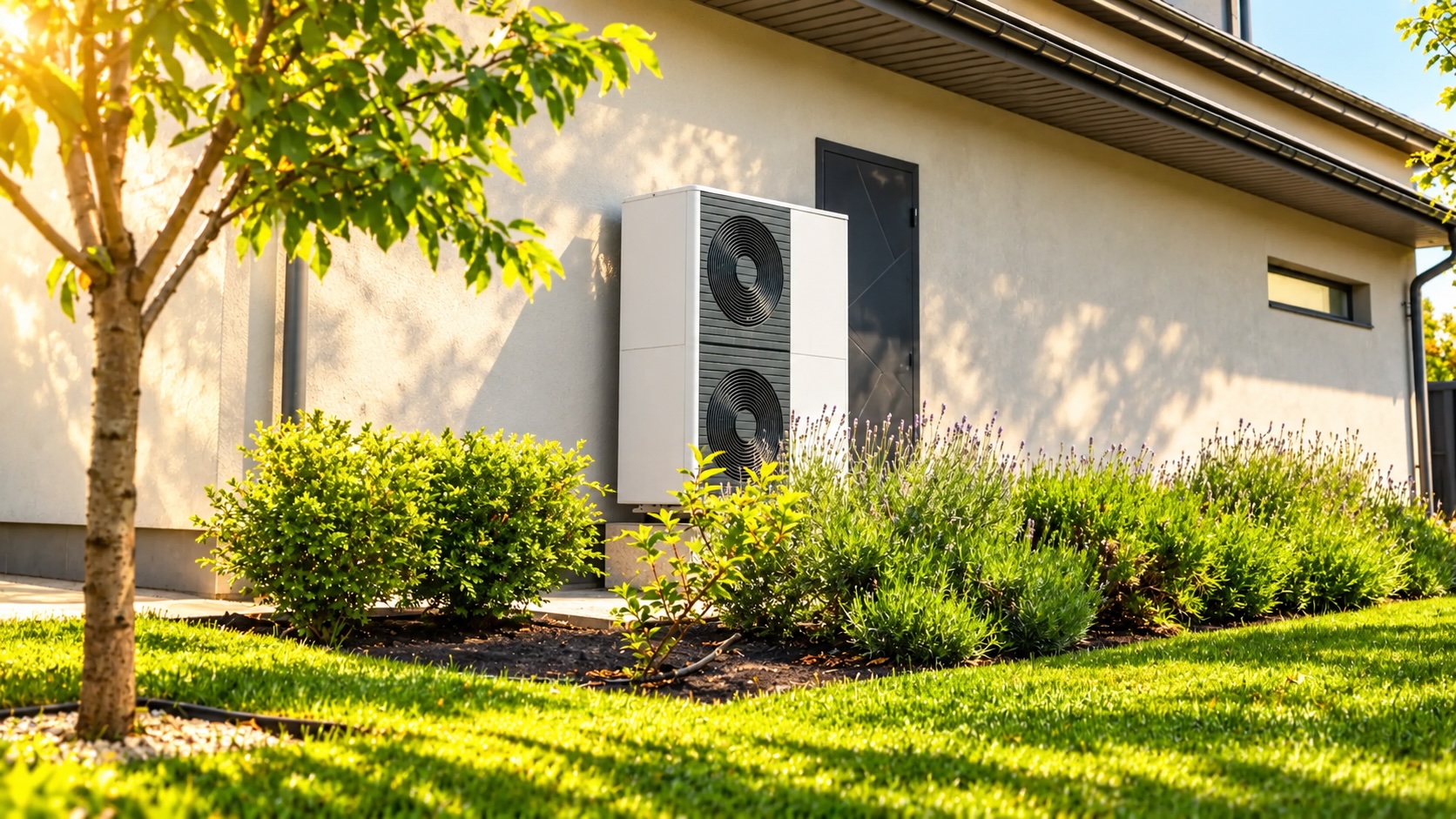
While a whole-home heat pump HVAC system is the gold standard for ultra-efficient heating and cooling, making it an excellent option if your landlord is open to replacing an outdated system, smaller upgrades can still make a big difference. Don't overlook smart solutions like automatic shades, which can help prevent sunlight from overheating your home, or trusty portable fans that keep cool air circulating. Some even include built-in air purification, helping keep your indoor air cool and clean.
Backup power upgrades
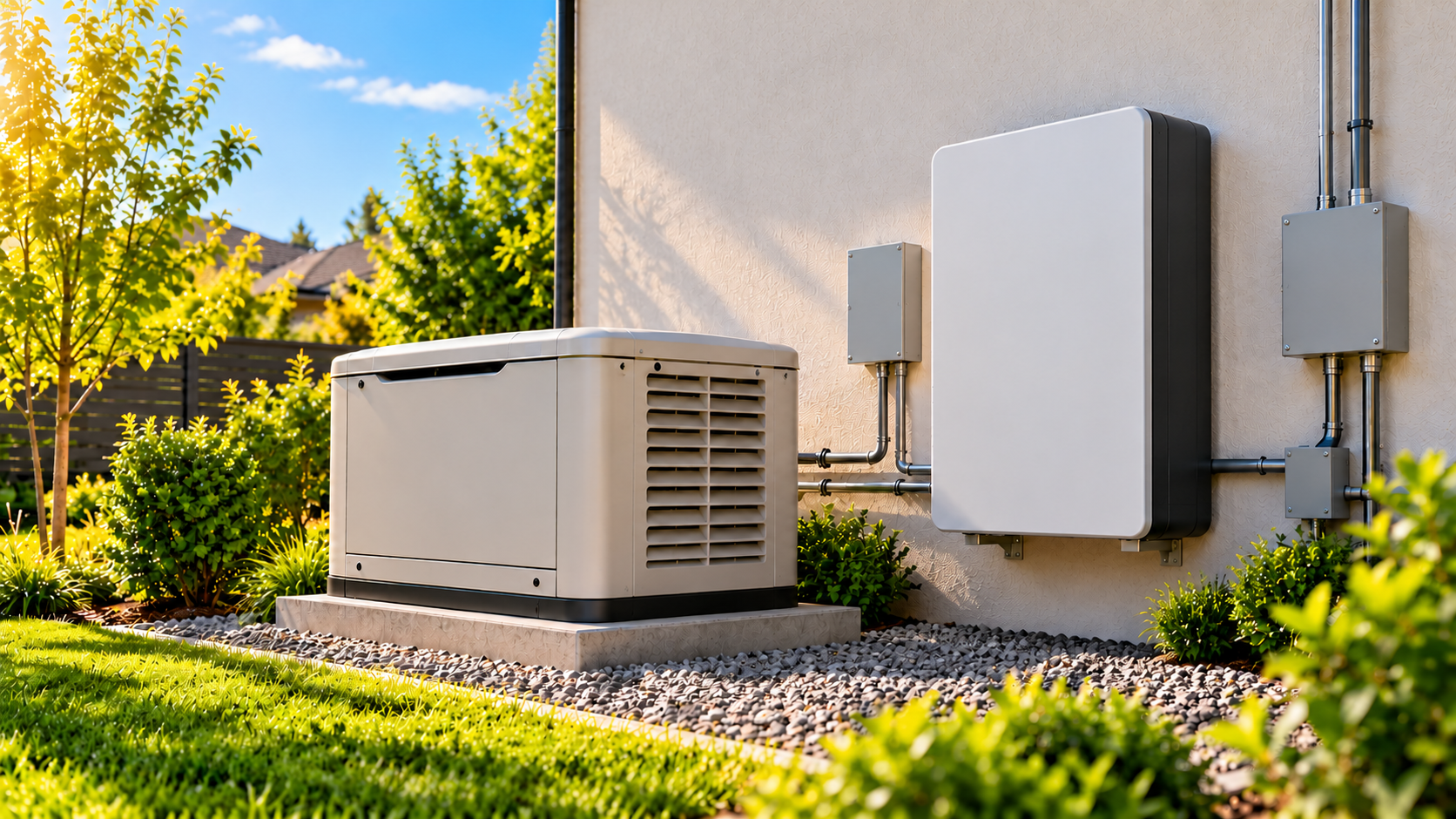
As weather becomes more erratic and power outages get longer and more common, it's a good idea to make your home as energy-resilient as you can. As a renter, that means taking advantage of new battery technologies that are portable and don't require an electrician to install.
Startups like Pila have designed models that plug directly into specific appliances to provide power during outages. They can also store electricity when it's cheapest and use it during more expensive times if you live in an area with "time of use" rates, making them gradually pay for themselves over time for those whose electric bills are structured that way.
If you've ever used a gas-powered portable generator, you'll immediately recognize another benefit: Plug-in batteries are silent and don't emit toxic fumes that could harm your family, so you can keep them in your house when you need them most.
Other companies, like Ego, have figured out how to combine the batteries from your outdoor power tools into a portable power station, so you can get maximum usage for yard work, tailgating, outdoor movie nights, and dreaded power outages.
Energy-saving solutions are available nationwide, whether you're renting or buying. Some are big steps, some are small, but they all add up. Here are a few more ideas to save power and reduce your bills.
• Energy Star has a list of low-cost ways to save energy, including on your water bill.
• Renters can also cut bills with some unexpected cleaning habits.
• The Environmental Working Group rounded up more strategic ways to reduce energy usage and thus utility bills in the process.
• Talking with your landlord or rental agency about bigger-ticket upgrades can be hugely beneficial with the right communication tactics.
• Plus, some regional utilities have incentives set up specifically for renters, and startups are even figuring out ways to shave off additional dollars every month.
💡What are your goals?
From going solar and preparing for blackouts to upgrading your HVAC or water heater, EasyHome has resources to help you make smart choices.